Fantasy
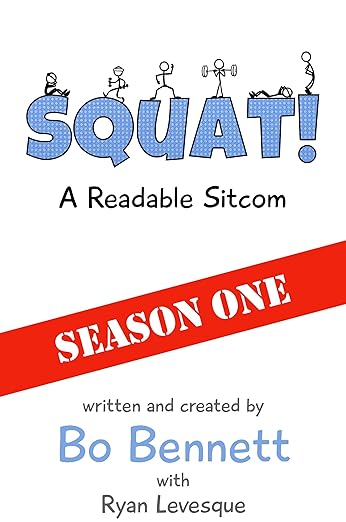
Squat!: A Readable Sitcom (Adapted from Screenplays)
Bo Bennett and Ryan Levesque’s Squat! is an exuberant, sharply observed workplace sitcom in book form — a sly, humane satire that turns the modern gym into a wholly original stage for comedy, ethics, and human connection. Written in a brisk present tense that often reads like a screenplay brought to vivid life, the book’s ten episodes (from “The New Job” through “Poofpads” and “Election Fraud”) move with sitcom precision: clean set-ups, escalating absurdities, and payoffs that land with both laughter and an unexpected warmth. The writing style is muscular and witty; Bennett’s ear for dialogue gives each character a distinct rhythm — Bobby Brimble’s neurotic pep, Scott Carter’s flustered decency, Trina’s righteous urgency, Rog’s blunt conservatism, and the Janitor’s Morgan Freeman–like aphorisms all leap off the page. Moments like the recurring asparagus-in-the-water gag, Bobby’s motivational-slide debacle (“You Got This!”), and the wonderfully grotesque poofpads sequence showcase both visual comedy and sustained thematic invention. Thematically, Squat! is more than a string of jokes. The gym operates as a microcosm for contemporary American life: corporate hubris, performative activism, the commodification of health, and the moral compromises individuals face (Scott’s dilemma about Jack Pemberton’s survey scheme is played for laughs but also genuinely probes workplace ethics). The Janitor’s conversations — his invocation of utilitarianism and virtue ethics in the basement — are quietly brilliant, giving the book a moral center amid the hijinks. Originality is abundant; few authors have reimagined the fitness center as such fertile comic terrain, and inventions like Dr. Foochi’s Poofpads or Mildred’s over‑fibered granola bars feel fresh, absurd, and oddly plausible within the book’s satirical logic. Structurally, the sitcom format is a strength: each chapter reads as a self-contained half-hour with recurring motifs and character arcs that accumulate into a satisfying season finale rather than dangling cliffhangers. The ensemble is handled with care — minor players such as JJ, Tanya, and Mildred are consistently funny and humanized, and the push‑and‑pull between Trina and Rog provides a sustained, good-natured ideological sparring that never feels one-note. The pacing rarely flags; Bennett balances slapstick, wordplay, and quieter character beats so the reader is alternately laughing and nodding in recognition. If there’s a gentle caveat, readers who want exhaustive political deep-dives or detailed backstories for every secondary character may find the coverage delightfully concise — Squat! prefers satirical focus over encyclopedic scope. Similarly, chapter titles like “SQAnon” and “Gender Perplexity” promise material that readers will be eager to see explored further in subsequent seasons. In short, Squat! is a witty, original, and surprisingly humane sitcom in prose — a book that will make you laugh out loud and think about the small moral choices we make at work. Strongly recommended for readers who enjoy fast-paced satire, sharp dialogue, and character-driven comedy; this is a perfect pick for anyone who has ever spent time in a gym — and for anyone who appreciates an expertly crafted comic ensemble. Read it and you’ll be saying, with the staff at Squat, “You got this!”
Share-ready review images
Download square and vertical images for posts, stories, newsletters, and media kits.
For authors
Want a review page like this for your book?
Upload your manuscript, choose a review tier, and get a permanent public editorial review page you can share with readers.
Review My Book← Back to Reviews
