Children's Nonfiction
So You Want To Be A Police Officer
by Linda Soules
Listen to this review
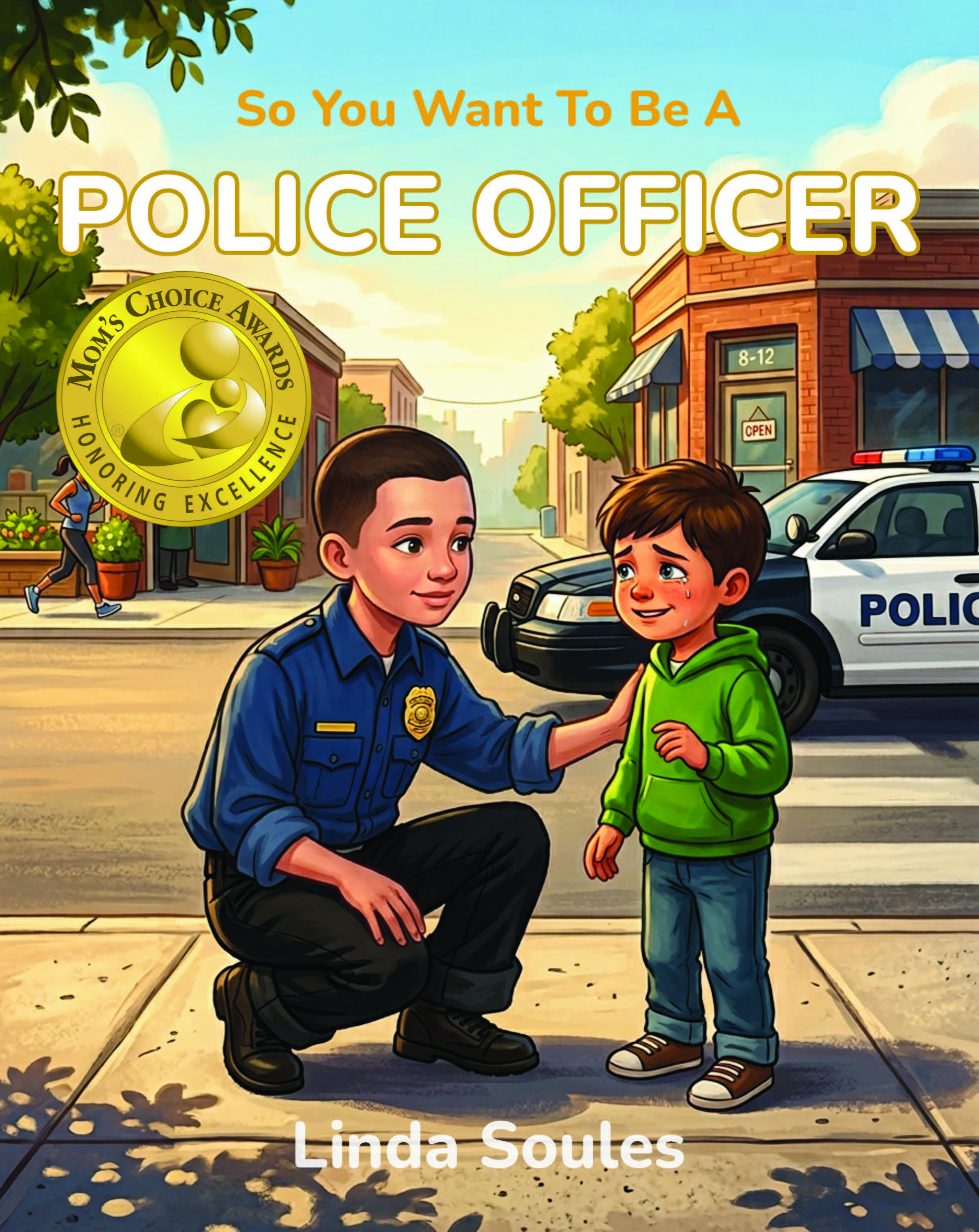
So You Want to Be a Police Officer presents policing less as a chase after “bad guys” than as work grounded in attention, judgment, and relationships. Its strongest decision is to challenge the familiar action-centered image of the job from the opening pages. “The real job?” the book argues, is “knowing people,” listening, and showing up for a community. That emphasis gives this career guide a clear point of view and makes it more thoughtful than a simple inventory of uniforms and equipment.
The book’s conversational second-person voice is well suited to young readers. Short sections such as “A Day in the Life,” “What You Can Do to Prepare Right Now,” and “Could This Be Your Job?” break a broad subject into approachable pieces without treating the reader as incapable of grappling with responsibility. The sample shift—moving from patrol and a neighbor dispute to a traffic stop and report writing—usefully shows that the work can be routine as well as urgent. The repeated attention to listening, calm, and fairness also gives the advice a practical through-line: readers are asked to practice observation, hear both sides of a disagreement, and learn their own neighborhoods.
Its most valuable theme is the relationship between authority and accountability. The author does not present a badge as automatic proof of trustworthiness. In “How You Help People,” fairness is framed as an obligation attached to power, and the closing note makes that point more explicit: officers can search, arrest, and, in extreme circumstances, use force that ends a life. The insistence that this authority “belongs to the community, not to them” gives the book moral weight. The sections on de-escalation and mental-health literacy further encourage readers to see good judgment—not force—as a central professional skill. The description of officers working alongside social workers and mental-health responders is one of the book’s clearest examples of how collaboration can improve a response.
The history and supplementary material broaden the book’s usefulness. Profiles of Georgia Ann Robinson and Beverly Harvard bring Black women’s contributions to policing into a career narrative that might otherwise default to familiar, unexamined examples. August Vollmer’s emphasis on prevention and education reinforces the book’s central claim that policing is more than arresting people. The glossary, recommended reading, suggested activities, and links to career information give curious readers ways to continue exploring. In particular, the suggestion to attend a public court hearing connects report writing to what happens after an officer’s work is done.
There are, however, limits to the book’s account. Its picture of effective policing is largely an ideal: officers know residents, listen carefully, treat everyone fairly, and earn trust through consistent service. The author acknowledges the seriousness of police power and the possibility of trauma, but the book spends much less time on the institutional and public conflicts that can shape whether communities trust police in the first place. Its account of fairness is principled, yet brief; readers do not get much help understanding how policies, unequal experiences, or disagreements about policing complicate the neighborly model it promotes. This is a meaningful omission for older readers seeking a fuller civic or historical treatment, even if a short career introduction cannot cover every dimension.
Some factual statements also need more qualification. The “Most Surprising Thing” section says that studies consistently find more than eighty percent of calls are not crimes, but it does not identify the studies or explain how calls are categorized. Likewise, statements about body cameras being worn in most departments and the legal status and penalties associated with police dogs are presented broadly, without jurisdictional distinctions or sourcing in the text provided. The book’s “Fun Facts” and glossary are accessible, but their confident compression can make legal and statistical matters seem more uniform than they are. A source note or short reminder that practices and laws vary by location would help young readers distinguish general patterns from universal rules.
The career preparation advice is engaging but remains introductory. Readers learn that academy training covers law, fitness, driving, firearms, and crisis response, and the suggested government resource points toward more concrete employment information. Still, the book itself offers little detail about eligibility, selection, or the different routes into policing. That is not necessarily a flaw for a child-focused invitation, but it means the title is better understood as a prompt for exploration than as a practical guide to entering the profession. Its optimistic voice may also be a weaker fit for readers who want a more critical account of policing or a heavily documented reference book.
For readers around the series’ stated ages of 10 to 14, this is a warm, accessible introduction with a commendable focus on listening, judgment, and the ethical burden of authority. Its strongest passages encourage children to imagine public service as patient, relational work; its weaker ones rely on broad claims without enough context. The book is most likely to serve young readers who are curious about community service and want a starting point for conversation with adults, police officers, or teachers—not readers looking for a comprehensive or deeply critical study of law enforcement.
Share-ready review images
Download square and vertical images for posts, stories, newsletters, and media kits.
For authors
Want a review page like this for your book?
Upload your manuscript, choose a review tier, and get a permanent public editorial review page you can share with readers.
Review My Book← Back to Reviews
