
Buy this Book:
Fiction / Romance / Contemporary (FIC027020)
Misty Fjords of the Heart
by Cy Summers
Listen to this review
Misty Fjords of the Heart is a gentle second-chance romance about bereavement, later-life love, and the difficult distinction between moving forward and leaving the past behind. Its central character, Maria Bennett, is a fifty-eight-year-old widow who takes the Alaskan cruise she and her late husband, Jeff, had long planned. The trip brings her back into contact with Daniel Mercer, a childhood friend and former boyfriend, and begins a gradual reawakening of her appetite for life. The novel’s strongest interest is not the question of whether Maria and Daniel will fall in love, but whether they can do so without asking either person to surrender the life already built.
Maria’s grief is given meaningful weight. In the opening chapter, the empty cabin is described through the ordinary signs of Jeff’s absence—his missing shoes, shirts, and familiar complaints—rather than through generalized declarations of sorrow. Later, sitting at home in Jeff’s chair or facing his place at the breakfast table, she continues to encounter loss in domestic details. These scenes make her recovery feel less like forgetting than learning to carry memory differently. The novel is especially effective when Maria can experience pleasure and grief together: photographing a waterfall in Misty Fjords while wishing Jeff could see it, or enjoying Daniel’s company without treating that enjoyment as a betrayal.
Photography gives this emotional movement a useful, concrete shape. Maria’s camera is initially a way to reclaim a pleasure she had set aside; later, her images lead to an exhibition and help her develop a photography group with Elena Ruiz. The recurring list, Things I Will Do While I Am Alive, also provides a simple structural thread. Entries accumulate from taking photographs and making friends to allowing herself to be happy and choosing love. By the final chapters, Maria’s growth extends beyond romance: she begins workshops for adults navigating life transitions and makes room for work, creativity, family, and friendship in a more balanced life. This broader arc is one of the book’s more satisfying choices.
The novel also gives its romance a welcome measure of practical seriousness. Maria does not simply decide that affection will overcome the distance between Portland and Anchorage. She asks whether Daniel will make room for her work and family, and Daniel must confront the ways his devotion to Alaska and his business contributed to the failure of his marriage to Caroline. Their conversations in Chapters 16 and 20–23 are important because they make the relationship depend on listening and changed behavior, not only on shared memories. Daniel’s decision to delegate more of the excursion business to Eric is a concrete step toward a less rigid life. Maria, meanwhile, is clear that love must not require her to abandon her own developing identity.
The Alaskan setting contributes more than scenery. The scale of Misty Fjords, the shifting mist, and the contrast between snowbound Anchorage and Maria’s Portland garden support the book’s interest in uncertainty and renewal. The landscape is most persuasive when experienced through Maria’s camera or her immediate response to it; these moments connect place to character instead of treating it as a decorative backdrop. Faith is similarly integrated into the narrative. Maria and Daniel pray for patience and wisdom, and their religious commitments shape how they approach grief, forgiveness, and future choices. Readers who prefer a secular romance may find the repeated prayers and explicitly Christian framing less congenial, but they are central to these characters’ understanding of their lives.
The main limitation is repetition. Across the twenty-five short chapters, Maria often returns to the same reassurance—that loving Daniel does not erase Jeff, that she need not decide everything at once, and that she is permitted to be happy. The repetition reflects a believable struggle, but it is frequently stated in dialogue, interior reflection, prayer, and then a concluding image or summary. A number of exchanges also restate what the scene has already made clear. The result is a warm but sometimes over-explained emotional texture, in which readers may reach an insight before the characters finish articulating it.
The prose is clear and accessible, well suited to the book’s reflective tone, though its recurring metaphors—gardens, seasons, doors, journeys, and mist lifting—can feel familiar rather than freshly observed. Supporting characters mostly serve as encouragement or explanation. Elena is an engaging, teasing presence, and the women in the photography group suggest promising stories of their own, but they receive less development than Maria and Daniel. The relationship’s eventual progress is also relatively orderly: honest conversations and practical adjustments move it forward, while larger conflicts are handled with a calmness that leaves the romance with limited dramatic uncertainty. That approach suits readers looking for reassurance more than those seeking sharp tension or an unpredictable plot.
Still, Misty Fjords of the Heart has a humane premise and a clear sense of what mature love should ask of its characters: patience, honesty, and room for both people to remain themselves. Its most affecting achievement is showing Maria’s life expanding in several directions, not just toward Daniel. Readers drawn to clean, faith-centered romance; stories of widowhood and renewal; and protagonists beginning new chapters later in life are likely to value it. Those who want leaner prose, more complex supporting characters, or a more turbulent romantic arc may find its affirmations and resolutions too gentle. For its intended audience, it offers a compassionate account of grief that does not mistake healing for forgetting, and of hope that grows through ordinary choices as much as grand gestures.
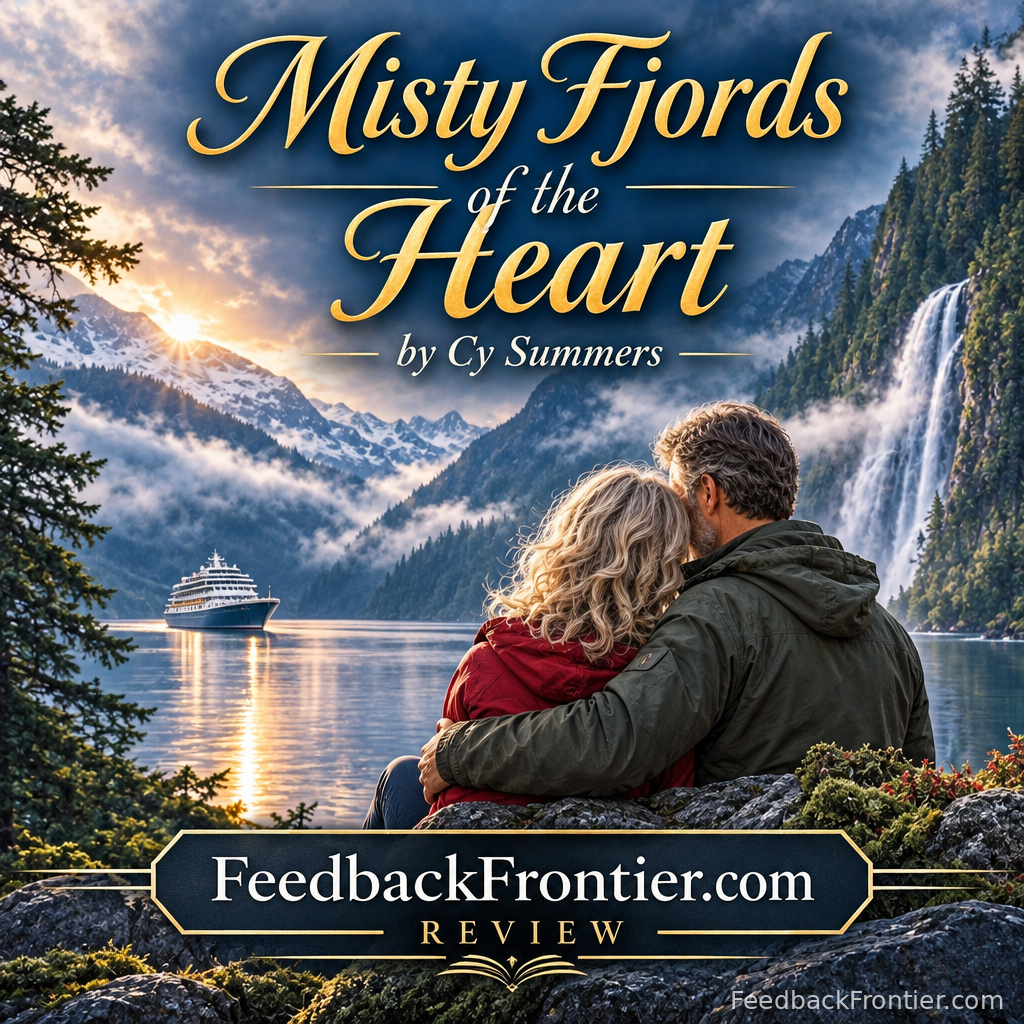
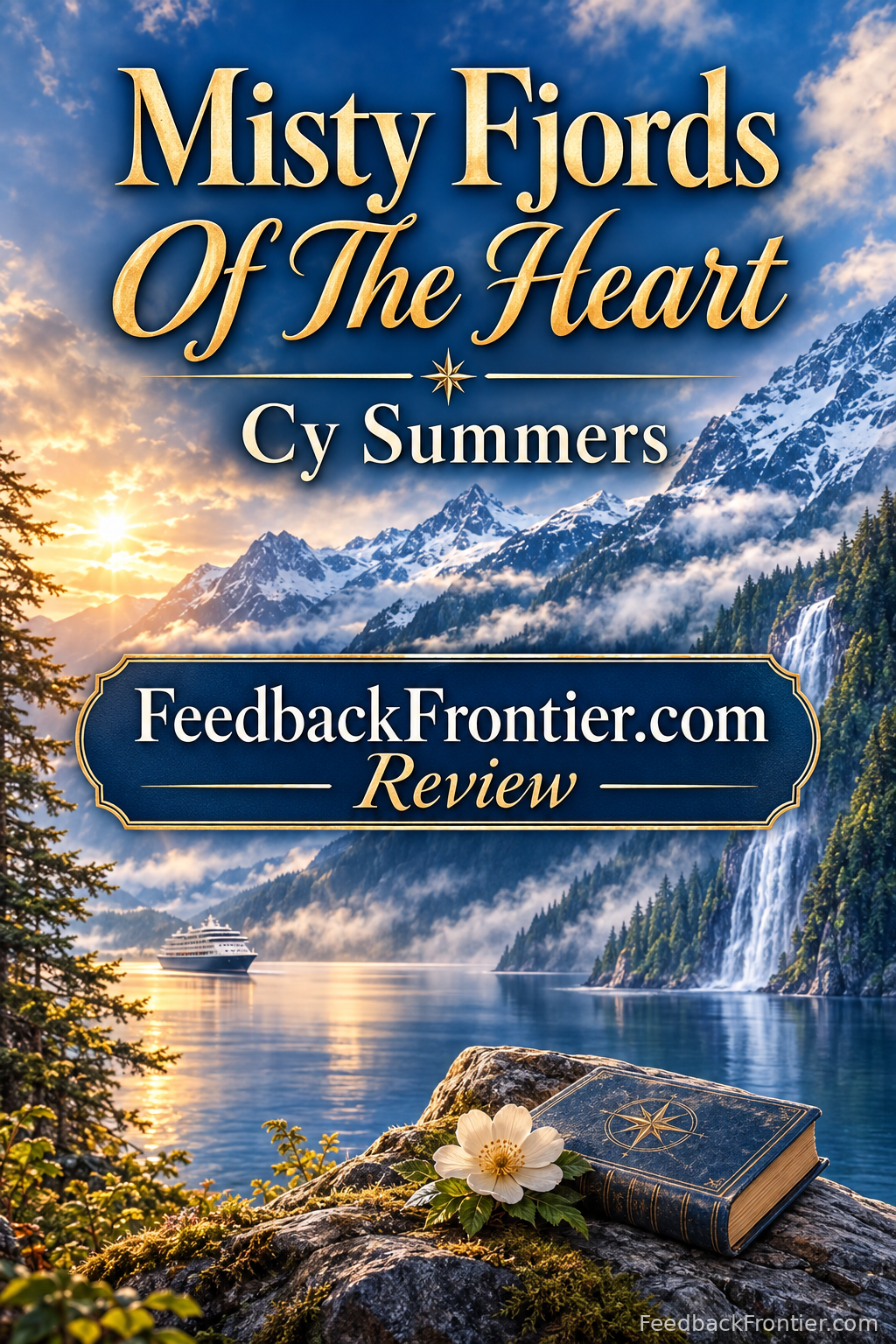
Share-ready review images
Download square and vertical images for posts, stories, newsletters, and media kits.
For authors
Want a review page like this for your book?
Upload your manuscript, choose a review tier, and get a permanent public editorial review page you can share with readers.
Review My Book← Back to Reviews
