
Self-Help
A City on the Hill
This thoughtful and wide-ranging guide offers a refreshingly holistic look at what it means to build a lasting romantic partnership. Rather than reducing marriage to a checklist of traits, the book presents it as a living ecosystem shaped by emotional compatibility, intellectual curiosity, practical cooperation, cultural context, personal growth, and shared purpose. That broader lens is one of its greatest strengths. The result is a work that feels both compassionate and grounded, inviting readers to think more deeply about partnership without ever losing sight of love’s human complexity.
One of the book’s most effective qualities is its clear, accessible prose. The writing is warm, encouraging, and steady in tone, making even nuanced topics feel approachable. In the opening section, Defining Marriage Material, the author smartly dismantles the idea of a perfect partner and replaces it with a more believable and ultimately more meaningful framework: emotional compatibility, intellectual compatibility, practical compatibility, shared values, chemistry, and a willingness to grow. That balance between idealism and realism gives the book genuine credibility. It doesn’t promise an effortless romance; it argues persuasively that the strongest relationships are built through intention.
The book is especially strong when it moves beyond abstraction and into concrete relationship realities. Chapters such as Psychological Barriers to Finding Love, Essentials of Effective Communication, and Trust and Vulnerability in Relationships stand out for their clarity and emotional intelligence. The discussion of vulnerability as a form of courage, or the emphasis on “I” statements in communication, is practical without becoming clinical. Likewise, the recurring focus on trust as something dynamic rather than fixed feels especially insightful. Readers will appreciate how the book keeps returning to the idea that love is not passive; it is maintained through action, honesty, and repeated recommitment.
Another notable strength is the book’s sensitivity to cultural complexity. The sections on Cultural Influences on Marriage Material, Tradition Versus Modernity in Relationships, and Dealing with Family Dynamics add richness and dimension to the overall argument. Rather than treating relationships as culturally neutral, the book recognizes how religion, family expectations, immigration, media, and gender roles shape romantic choices. The inclusion of Mia and Raj as an example of blending arranged-marriage traditions with modern autonomy is particularly effective because it embodies the book’s central message: healthy relationships often require creative negotiation, not rigid obedience to any single script.
The book also earns points for its structural coherence. Each chapter builds naturally on the last, moving from personal readiness to external pressures, then to communication, conflict, values, money, and modern dating realities. That progression makes the book feel like a guided journey rather than a disconnected collection of essays. The chapter Debunking Common Romantic Myths is especially satisfying, as it directly challenges familiar cultural fantasies such as “The One,” jealousy as love, and the myth that relationships should feel effortless. It is one of the book’s clearest reminders that mature love is not less romantic, but more real.
If there is any gentle limitation, it is that readers seeking highly specific case studies or research-heavy analysis may wish for a bit more depth in places. At times, the tone leans more inspirational than investigative. But this is a minor consideration in a book whose primary strength lies in its clarity, encouragement, and practical wisdom. Its accessible approach is part of what makes it so appealing.
Ultimately, this is a smart, heartfelt, and affirming exploration of modern partnership. It treats marriage not as a destination but as an evolving practice shaped by communication, resilience, self-awareness, and shared values. For anyone reflecting on love, commitment, or the realities of building a life with another person, this book offers both reassurance and insight. Highly recommended.
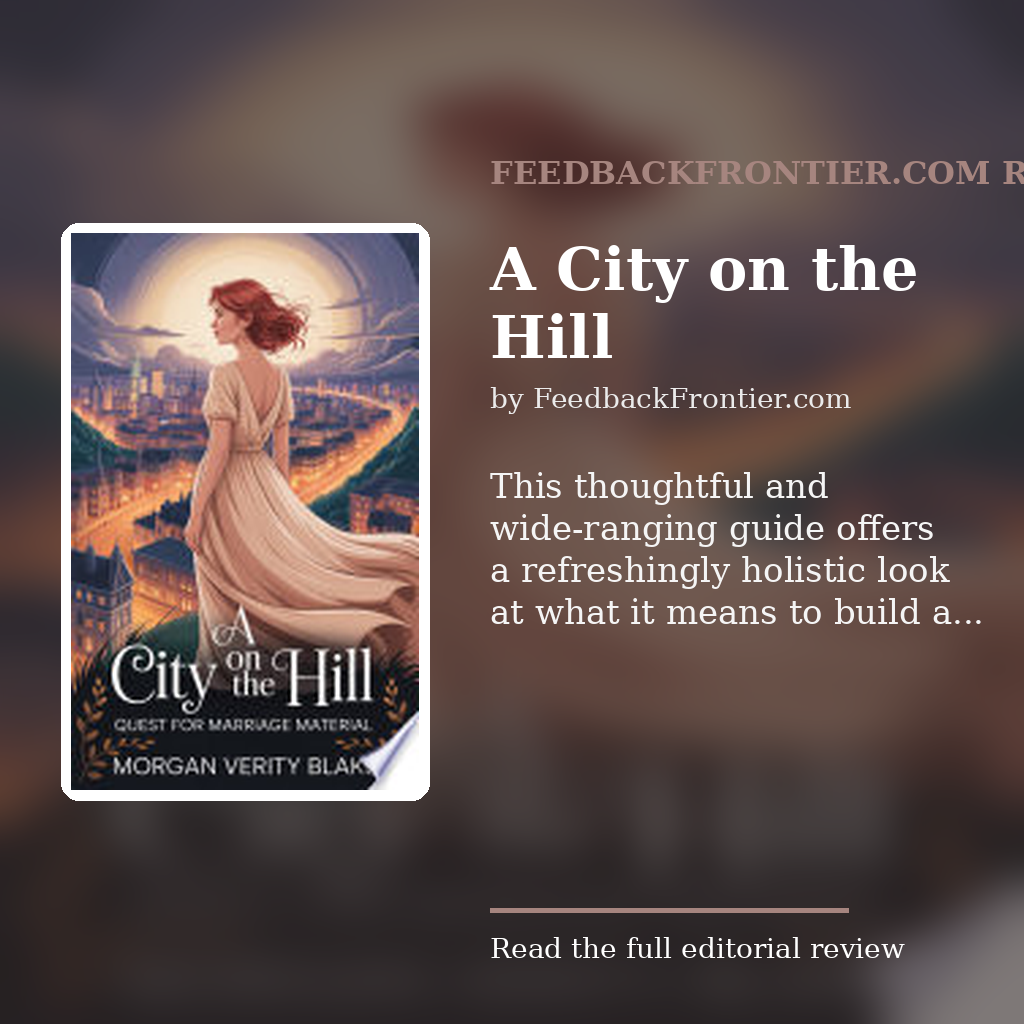
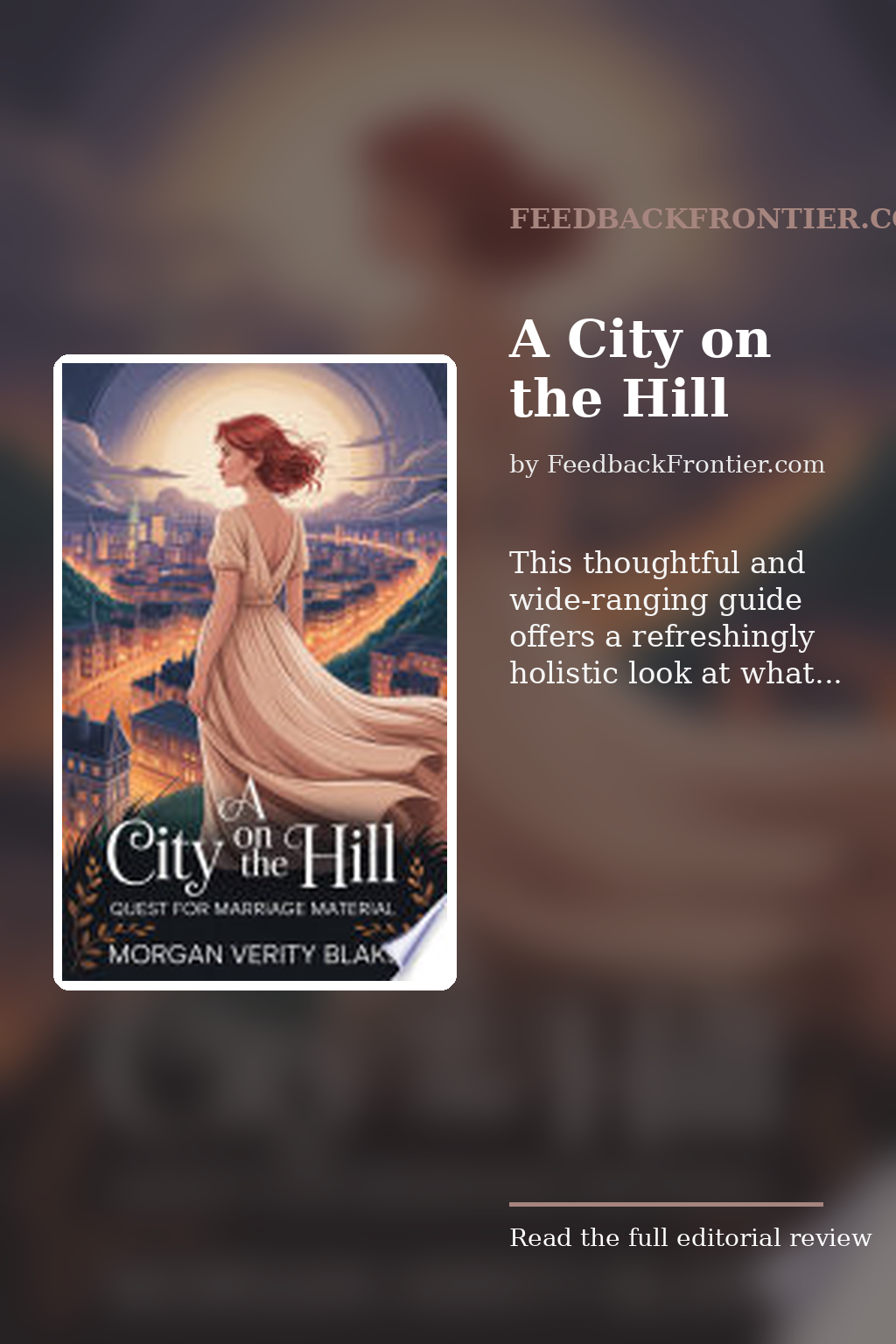
Share-ready review images
Download square and vertical images for posts, stories, newsletters, and media kits.
For authors
Want a review page like this for your book?
Upload your manuscript, choose a review tier, and get a permanent public editorial review page you can share with readers.
Review My Book← Back to Reviews
